The Museum
A life in five acts
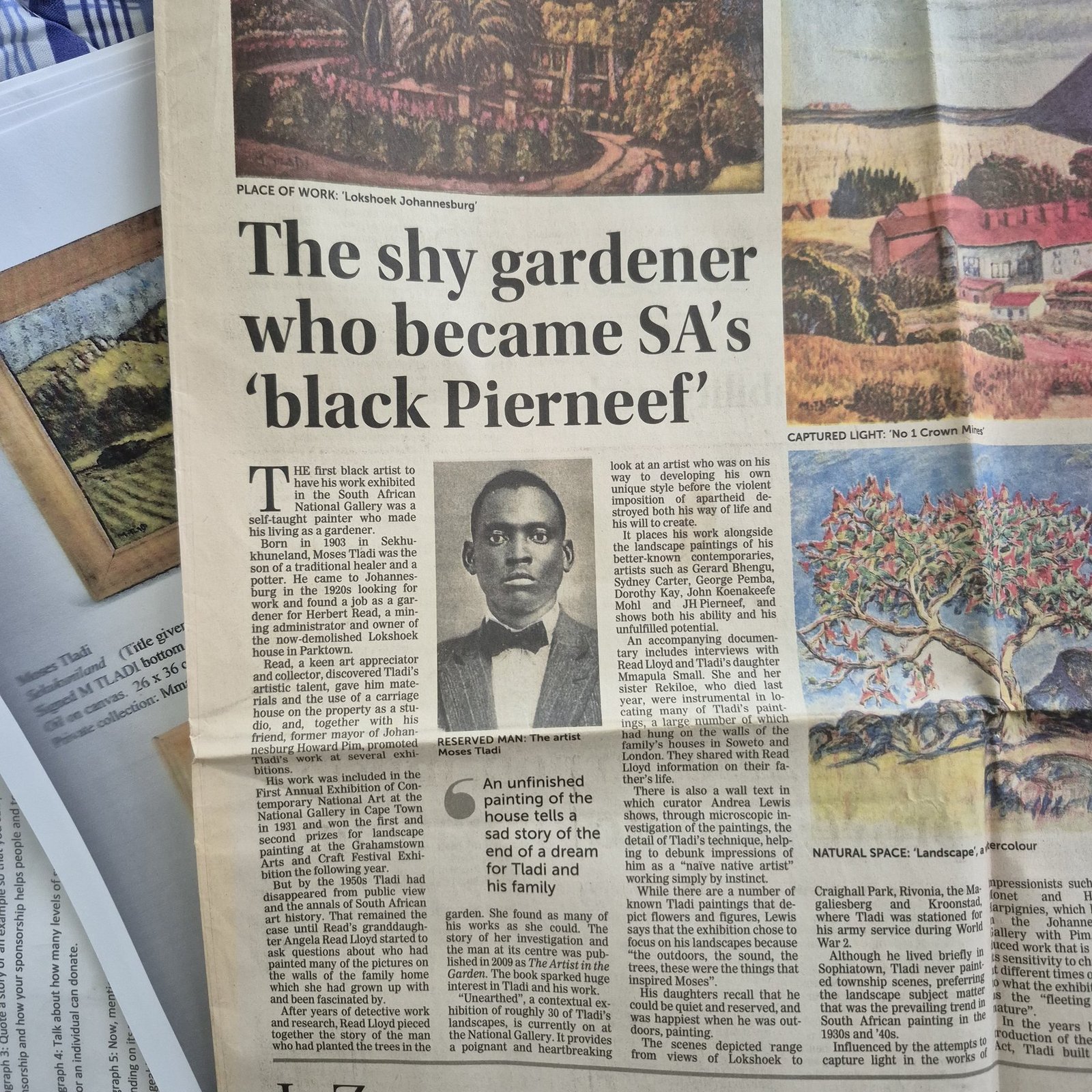
The Tladi family's account is central to this museum. It corrects the long-standing error that treated Tladi's 1903 baptism as his birth year: he was born in 1897, baptised in 1903, and died on 26 December 1959.

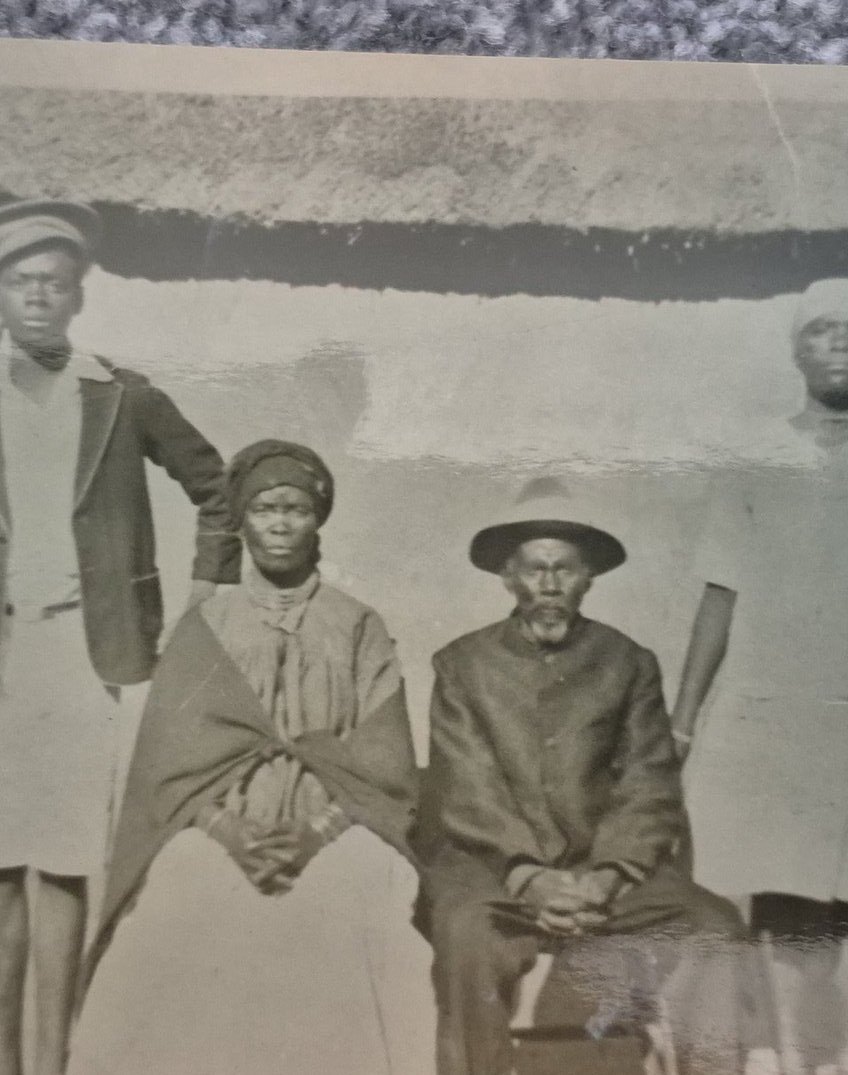
Digitally restored historical portrait
I
1897–1959
The Hills of Sekhukhuneland
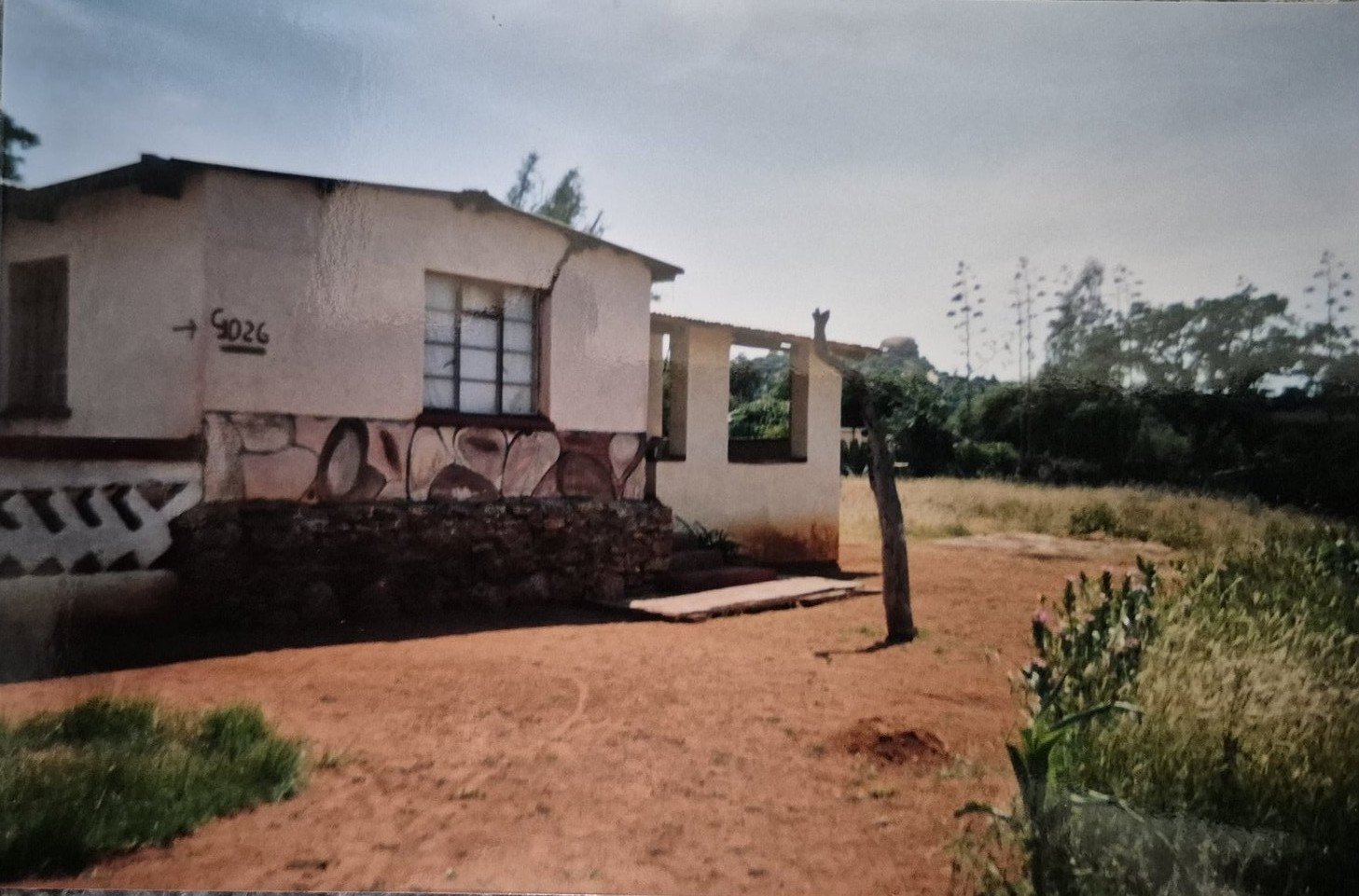
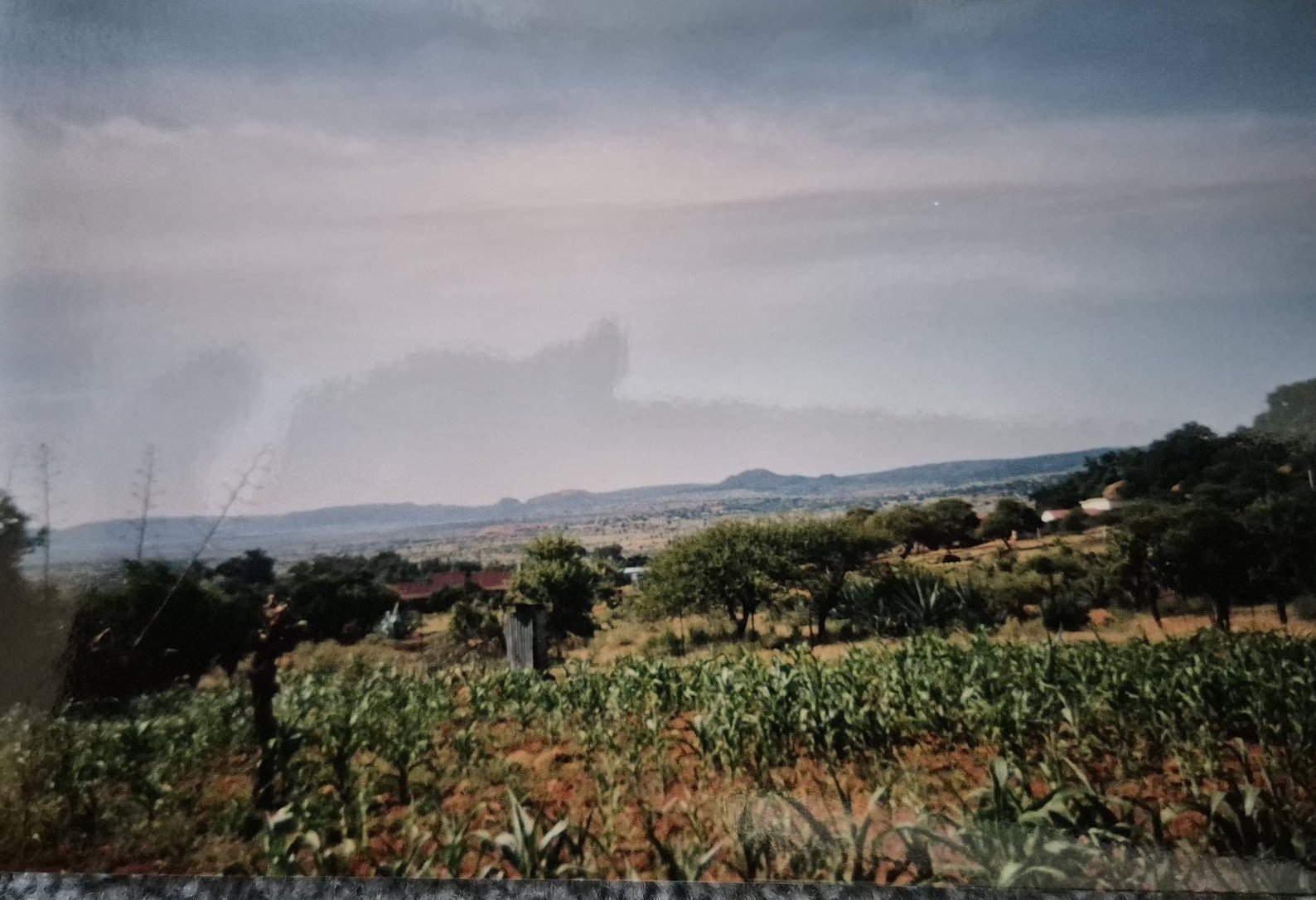
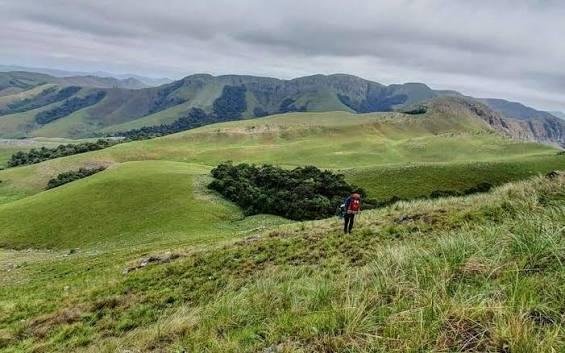
Moses Motsepe Tladi was born in 1897 at Lobethal, Ga-Phahla, in Sekhukhuneland — the heartland of the Pedi kingdom, broken by British forces in 1879 and, by his birth, a missionised, labour-sending reserve. He was baptised in 1903 and from then on officially known as Moses Tladi; later authors mistook the baptism year for his birth. His father, Selaoane, was a traditional healer who worked creatively in iron; his mother, Rekiloe, a gifted potter. Under the Berlin Missionary Society he attended the Lutheran mission school at Lobethal, and as a boy and young man he herded cattle in the hill country — the long light, the storms, the slow work of watching. It was his true apprenticeship.
II
1897–1959
The Gardener Who Painted
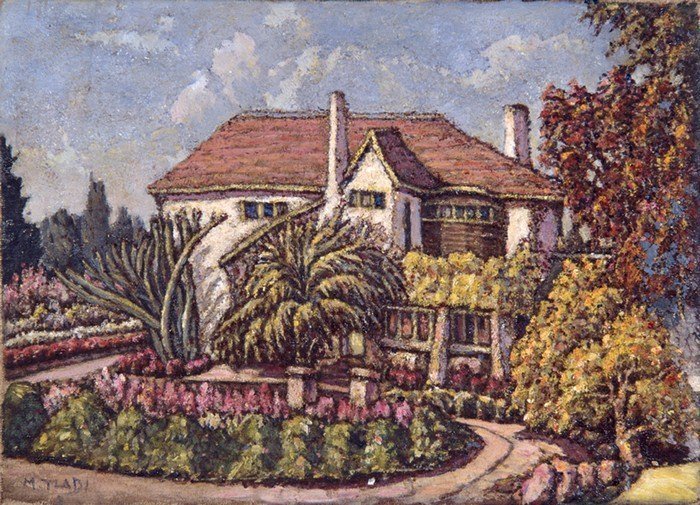
In the mid-to-late 1920s Tladi migrated to Johannesburg and found work as gardener to Herbert Read at Lokshoek, his Parktown home on Anerley Road. Under Tladi's hands the garden bloomed; and in it he began to paint, with leftover commercial house paint applied with a stick. When Read's daughters found him drawing on scraps of discarded paper, Read responded with respect — artists' materials, and the use of an old carriage house as a studio — and introduced him to Howard Pim, accountant, collector and founder of the Johannesburg Art Gallery. Pim took him to see Monet's Le Printemps. On 18 February 1928, Pim announced his discovery to the press.
III
1897–1959
The Firsts
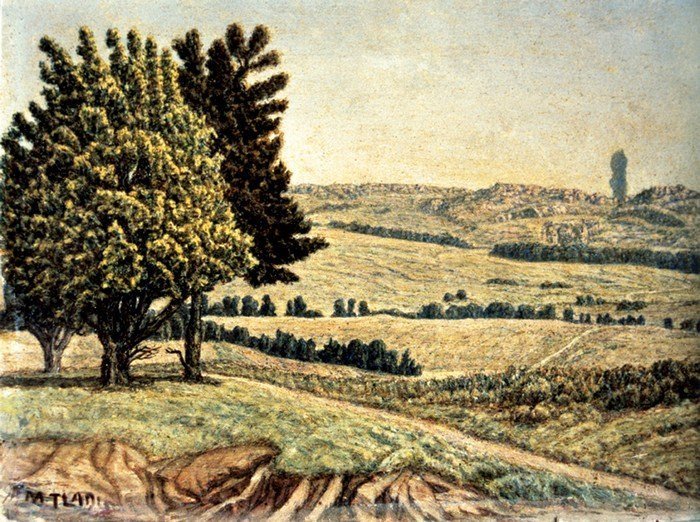
In 1929 Tladi's work entered the Tenth Annual Exhibition of the South African Academy at Selborne Hall — segregated under the heading “Special Exhibition by Native Artist”, with Black visitors admitted only in reserved hours; some 600 came. In 1931 he married Sekhubami More and built the Kensington B house for his family — a home he made with his own hands. That December his Witwatersrand Winter and Spring hung at the South African National Gallery in Cape Town — the first work by a Black artist shown there. In March 1932 he won both first and second prizes in the open section at the Grahamstown Arts and Craft Festival. He exhibited at the National Gallery again in 1933, held a solo exhibition at the Swedish Hall in 1938, and showed at the Gainsborough Galleries in 1939, raising four children with Sekhubami.
IV
1897–1959
War, Illness and the Free State
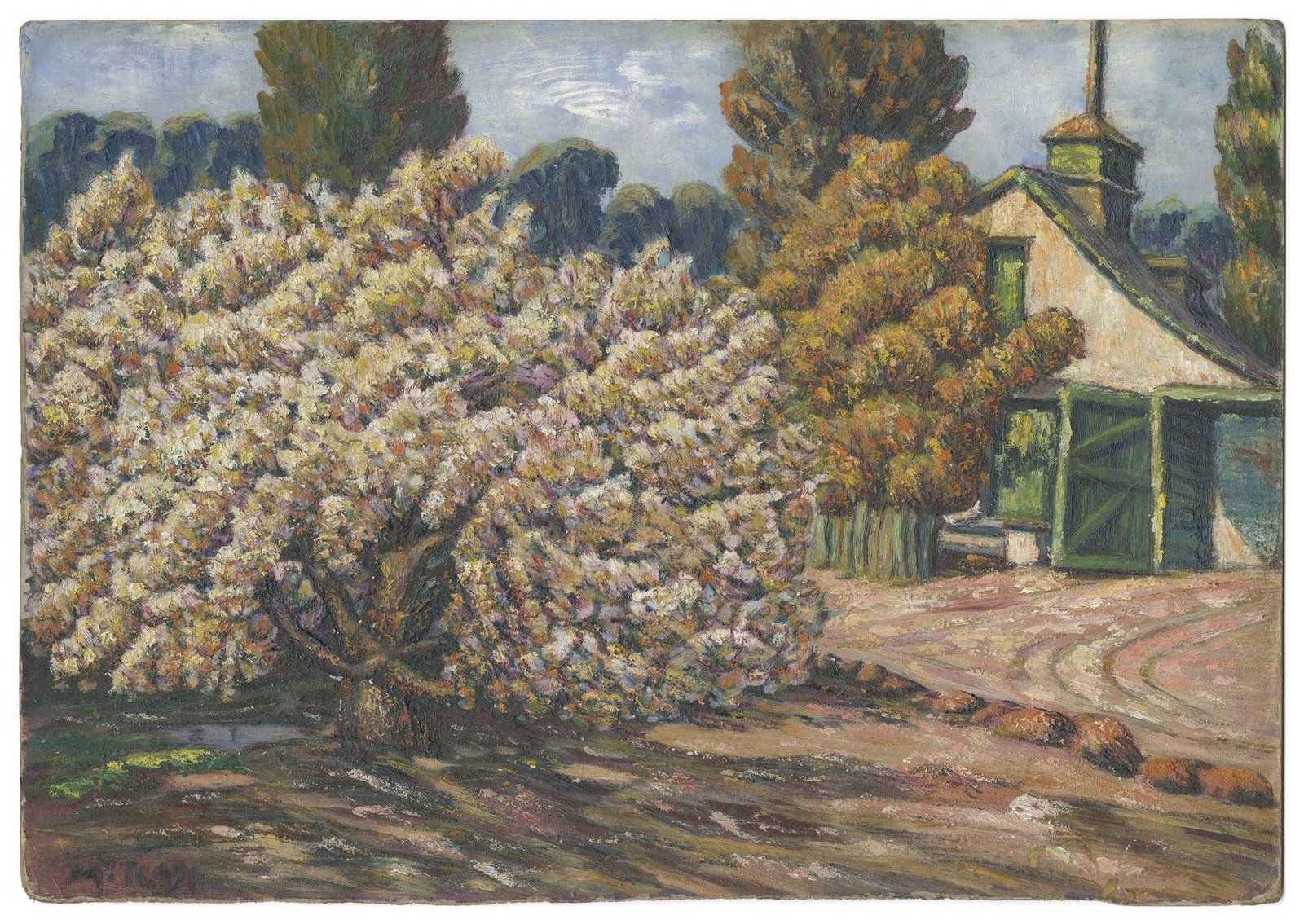
When the Second World War came, Tladi volunteered for the Union Defence Force. He worked the supply lines at the army depot in Kroonstad, in the Orange Free State — and even there he painted: his Near the Mill, Kroonstad is both a view and a topographical document of the town in wartime. The war took its toll: a mild stroke, then tuberculosis. His wife Sekhubami went to work as a live-in nanny to support the family, and the children were boarded where schooling was available. Tladi recovered and painted again. At Kensington B he had made a true home — a house, a garden, and an orchard that became his children's playground. In the early 1950s he enjoyed a brief season of success painting the Highveld around his home. It was the last calm he would know.
V
1897–1959
The Axed Orchard
In 1956 the apartheid state came for Kensington B. Under the Natives Resettlement Act of 1954, within the broader Group Areas framework, the family's property was expropriated and they were forcibly removed to Soweto. His daughter Mmapula watched what the removal did to him: he took an axe into the orchard he had planted and, day after day in silence, chopped down every fruit tree — and she took up an axe and helped him. Then he packed his paintings into a box and never picked up a brush again. His last work, The House in Kensington B, stands unfinished. He died in Soweto on 26 December 1959. The family preserved the works in that unopened box, and continues to restore the record today.
Place record
Lobethal, Ga-Phahla
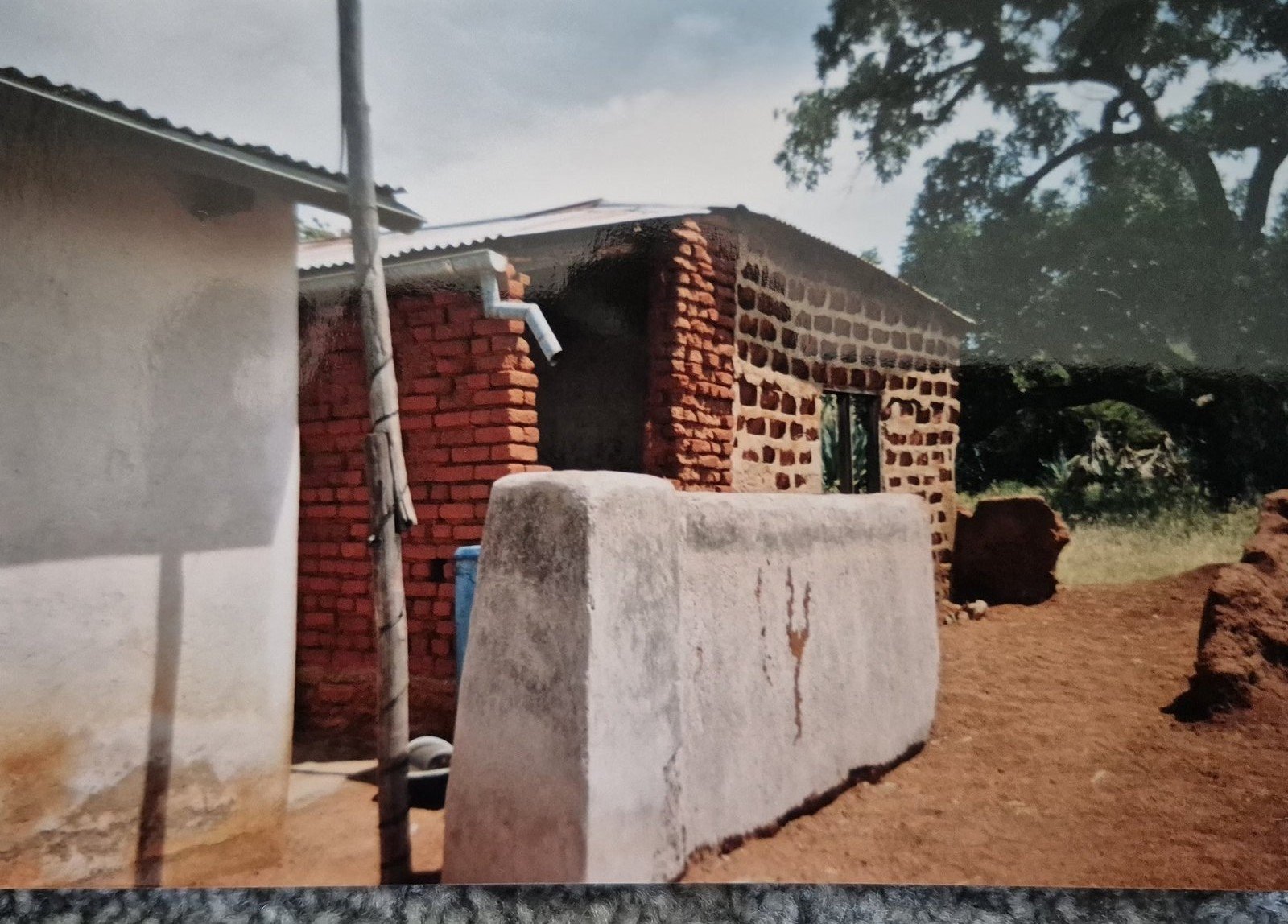
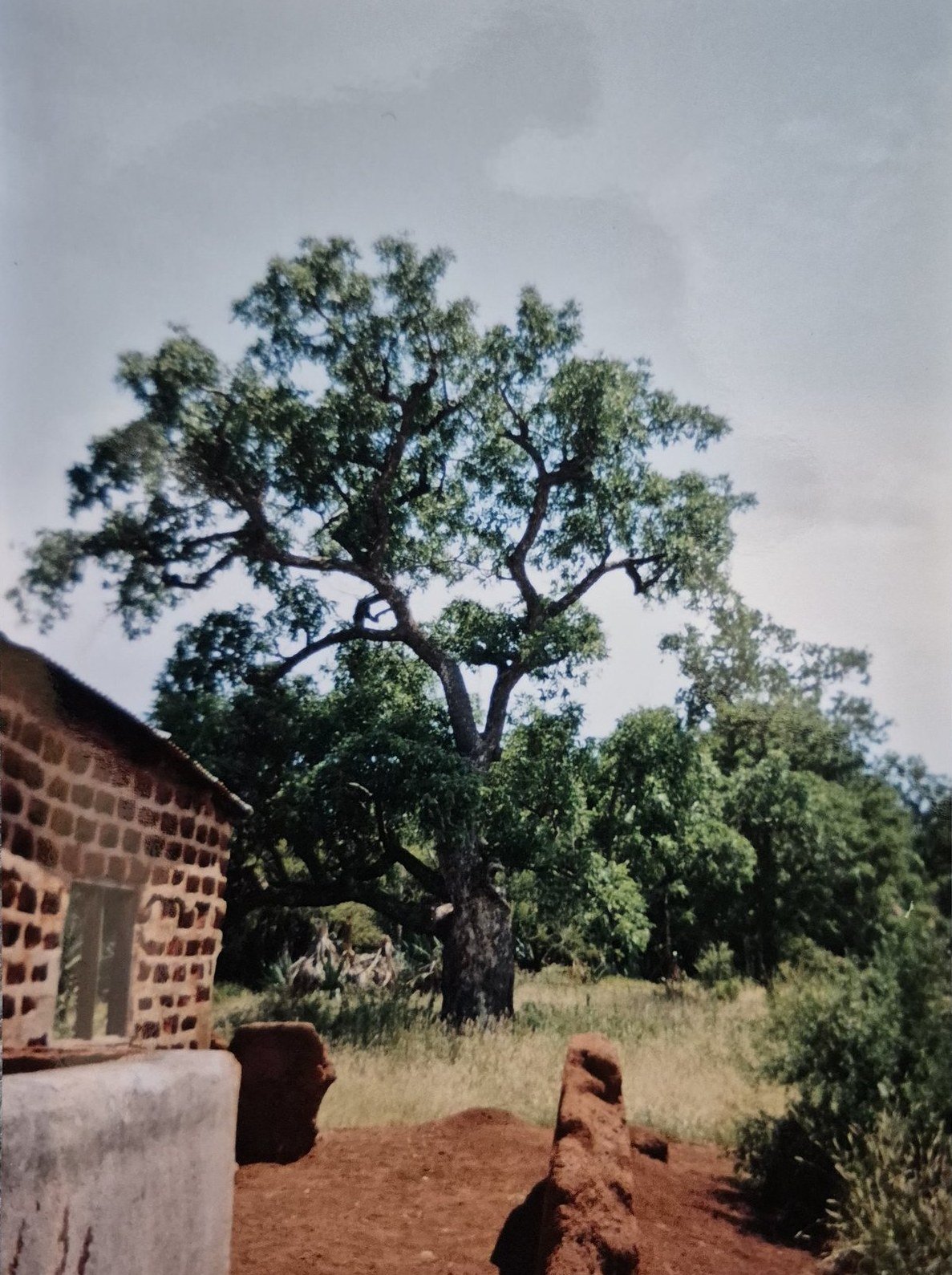
The childhood home and the surrounding landscape of Ga-Phahla anchor Tladi's story in place. These family photographs record the mission station at Lobethal where he was born, baptised and schooled — the same village school his family's foundation supports today.